
Gambling beliefs and their cultural impact on society
The Origins of Gambling Beliefs
Gambling beliefs have deep roots in human history, intertwining with various cultural practices and social norms. Many cultures throughout history have viewed gambling as a means of fate manifestation, believing that luck and fortune are influenced by divine forces. For example, ancient civilizations such as the Greeks and Romans often used dice games in religious rituals, reinforcing the belief that chance could be a form of divine communication. This intersection of spirituality and chance illustrates how deeply embedded gambling is in cultural consciousness. Additionally, if you’re looking for a versatile platform, check out kinghillscasinos.com, which showcases modern gambling options.

As societies evolved, so did their perceptions of gambling. In certain cultures, gambling was seen as a rite of passage, symbolizing courage and risk-taking. In contrast, other cultures stigmatized it, associating it with moral decay and societal downfall. This dichotomy highlights the complex relationship societies have with gambling, where beliefs can lead to varying degrees of acceptance or prohibition. These differing perspectives have shaped laws, social practices, and community values surrounding gambling.
Modern gambling beliefs often reflect a blend of historical traditions and contemporary societal values. Beliefs regarding luck, skill, and probability continue to influence how individuals engage with gambling today. For instance, many people hold superstitions about lucky numbers or rituals to bring good fortune. These beliefs not only shape individual behaviors but also contribute to broader cultural narratives about success, failure, and fate in the context of gambling.
The Psychological Aspects of Gambling
The psychology of gambling delves into the emotional and cognitive processes that drive individuals to gamble. One prevalent belief is the illusion of control, where gamblers mistakenly believe they can influence the outcome of random games. This cognitive bias can lead to irrational decision-making, as individuals may continue to play despite losses, driven by the belief that they can change their luck. Understanding this psychological aspect is crucial for addressing gambling-related issues in society.
Another critical psychological component is the concept of risk and reward. Many gamblers are drawn to the thrill associated with potential winnings, which activates the brain’s reward system. The excitement and anticipation of a possible win can lead to a cycle of repeated gambling, often despite negative consequences. This psychological allure of gambling is a significant factor in how beliefs about gambling are shaped and perpetuated across different cultures.
Furthermore, societal norms can impact individual psychological approaches to gambling. In cultures where gambling is viewed favorably, individuals may be more likely to engage in gambling behavior, as social acceptance reinforces their beliefs. Conversely, in societies that stigmatize gambling, individuals may grapple with feelings of guilt or shame, complicating their relationship with this activity. This interplay between psychology and cultural beliefs is crucial for understanding the broader impact of gambling on society.
The Role of Cultural Narratives
Cultural narratives surrounding gambling significantly influence societal attitudes and beliefs. Stories and myths about gambling often reflect broader cultural values, shaping how individuals perceive luck, fate, and personal responsibility. For instance, in many Western societies, stories of jackpot winners are celebrated, fostering a belief that anyone can achieve wealth through luck. This narrative encourages gambling as a pathway to success, despite the odds being stacked against individuals.
On the other hand, some cultures have narratives that emphasize the dangers of gambling, portraying it as a vice that leads to personal ruin and familial strife. These cautionary tales serve as moral lessons, warning individuals about the potential consequences of gambling. Such narratives can deeply affect societal beliefs, influencing laws and policies related to gambling practices, as well as shaping public perception and stigma associated with gambling addiction.
Additionally, the advent of technology and online gambling has introduced new cultural narratives. As more people engage with digital platforms, the narratives surrounding gambling are evolving. Gamblers now have access to vast resources and communities online, which can either reinforce positive beliefs or exacerbate negative ones, such as addiction. The shift towards online gambling is not just a change in medium; it reflects a transformation in the cultural beliefs associated with gambling itself.
The Impact of Gambling on Communities
Gambling can have both positive and negative impacts on communities, shaping local economies and social structures. On one hand, regulated gambling can generate substantial revenue for local governments, funding public services and infrastructure. Many communities have embraced casinos and betting establishments as a source of jobs and economic growth, often touting these benefits as justification for the activity. This economic perspective contributes to a more favorable view of gambling within those communities.
Conversely, the social implications of gambling cannot be overlooked. Communities with high rates of gambling often see increased instances of addiction, crime, and family strife. The negative social consequences can lead to a backlash against gambling, prompting calls for stricter regulations and support systems for those affected by gambling addiction. This duality highlights the complex relationship between gambling beliefs, community well-being, and societal values.
Furthermore, community attitudes towards gambling often fluctuate based on personal experiences and cultural narratives. Local advocacy groups can shape public discourse, either promoting the benefits of gambling or emphasizing its harms. This dynamic interplay reflects how gambling beliefs are not just personal but are deeply embedded in the communal fabric, influencing collective attitudes and policies.
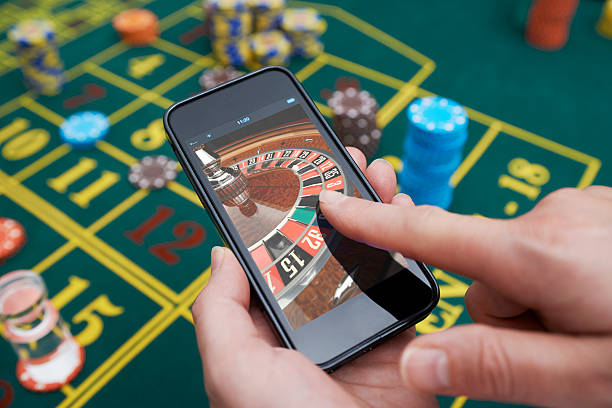
Experience Online Gaming with Kinghills Casino
At Kinghills Casino, we provide a premier online gaming experience that reflects the evolving landscape of gambling beliefs. Our platform offers over 6,000 games from top providers, ensuring a diverse range of options for players. We understand that gambling is often intertwined with cultural beliefs and personal psychology, which is why we prioritize a safe and enjoyable gaming environment. Our cutting-edge technology and 24/7 customer support aim to enhance player satisfaction, addressing both the thrill of the game and the importance of responsible gambling.
We recognize the importance of fostering a positive gaming community, committed to player success and well-being. At Kinghills Casino, we believe in the responsible promotion of gambling, providing generous bonuses and quick payouts while ensuring that players can engage in gaming without undue stress. Our community-centric approach reflects the understanding that gambling beliefs are not static; they evolve with individual experiences and societal shifts.
Join us today to explore the exciting world of online gaming at Kinghills Casino. Our platform represents a fusion of entertainment and responsibility, allowing you to indulge in the thrill of gambling while staying mindful of its cultural implications. With our commitment to fair play and player satisfaction, you can enjoy a gaming experience that respects the beliefs and values of diverse communities.